
Protect Your Pipes: Freeze Prevention Tips for Charlotte Winters

Summary of Key Points
- Charlotte’s fluctuating winter temperatures can cause pipes to freeze and burst even after just a few hours below 32°F, leading to costly water damage.
- Pipes are most vulnerable in exterior walls, crawl spaces, attics, garages, and other unheated or poorly insulated areas common in Charlotte homes.
- Outdoor prevention steps include disconnecting hoses, shutting off and draining exterior faucets, insulating fixtures, and winterizing irrigation systems before freezing weather arrives.
- Indoor freeze prevention involves insulating exposed pipes, sealing air leaks, opening cabinet doors during cold snaps, maintaining consistent indoor temperatures, and letting faucets drip when temperatures fall into the 20s.
- Quick action during unexpected freezes and knowing the location of the main water shut-off valve can help minimize damage if pipes begin to freeze or burst.
It’s 6 AM on a January morning in Charlotte. You shuffle to the kitchen for coffee, turn the faucet, and—nothing. Then you hear it: the ominous drip-drip-drip coming from inside your wall. A frozen pipe has burst overnight, and what started as an inconvenience is now turning into a plumbing emergency that could cost thousands in repairs and water damage.
While Charlotte winters don’t compare to the brutal cold of northern states, our temperatures still dip below freezing regularly—especially during those clear, calm nights in December and January. And here’s what many homeowners don’t realize: you don’t need sustained Arctic conditions to damage your pipes. Even a few hours below 32°F can cause pipes to freeze, expand, and crack. The good news? With some straightforward freeze prevention measures, you can protect your plumbing investment and avoid the headache, expense, and disruption of burst pipes.
Understanding Why Pipes Freeze in Charlotte’s Climate
Charlotte presents a unique challenge for homeowners. Unlike consistently cold climates where homes are built with extreme winter weather in mind, our region experiences fluctuating temperatures—mild days followed by freezing nights. This variability can catch homeowners off guard.
The science is straightforward: when water freezes, it expands by roughly 9%. This expansion creates tremendous pressure inside pipes—enough to crack even heavy-duty copper or PVC. The most vulnerable areas in your home include pipes along exterior walls, those running through crawl spaces or attics, and any plumbing in unheated garages or outdoor spaces.
Charlotte homes are particularly at risk because they’re not constructed with the same level of insulation as northern homes. Builders here don’t always anticipate where pipes might be exposed to freezing temperatures. That exterior wall in your guest bathroom? The pipes behind it might be more vulnerable than you think. This false sense of security from our “mild” winters can lead to costly oversights.
Outdoor Plumbing Protection
Your first line of defense starts outside. Before the first freeze warning of the season, take these essential steps:
Disconnect and Drain Hoses
Disconnect and drain all garden hoses from outdoor faucets. A hose left attached can trap water that freezes back into the pipe and faucet, causing damage that extends inside your walls.
Shut Off and Drain Exterior Faucets
Shut off the interior valve that supplies your outdoor faucets, then go outside and open the exterior faucet to drain any remaining water from the line. Even a small amount of trapped water can cause problems.
Protect Outdoor Fixtures
Consider upgrading to frost-free hose bibs if you haven’t already, or at minimum, install insulated faucet covers—those foam domes you see at hardware stores actually work.
Winterize Irrigation Systems
For homes with irrigation systems, either hire a professional to blow out the lines or, if you’re experienced, use an air compressor to clear all water from the sprinkler system before winter arrives.
The key is timing. Complete these outdoor tasks before nighttime temperatures consistently approach 32°F—typically by mid-November in the Charlotte area.
Indoor Freeze Prevention Strategies
Inside your home, a combination of insulation and smart habits will keep your plumbing safe through cold snaps.
Insulate Exposed Pipes
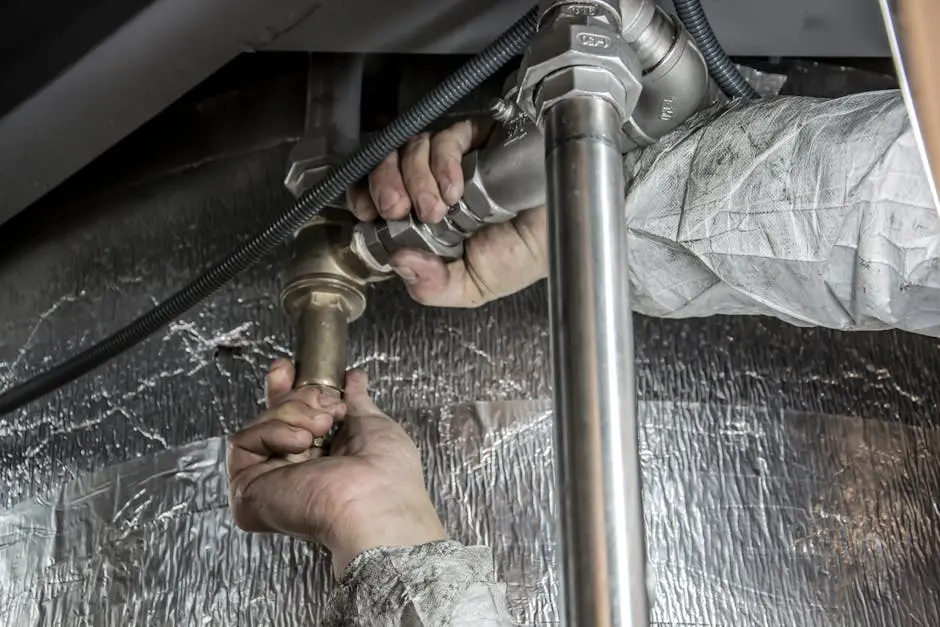
Insulate exposed pipes wherever you find them. Foam pipe sleeves are inexpensive and effective for pipes in crawl spaces, attics, and along exterior walls. For pipes in especially vulnerable locations, consider heat tape or thermostatically-controlled heat cables that activate when temperatures drop. Seal air leaks around pipes where they penetrate walls or floors—these drafts can expose pipes to outside air.
Open Cabinet Doors
During freezing weather, open cabinet doors under sinks that sit on exterior walls. This allows warm air from your home to circulate around the pipes. It seems simple, but this small action prevents countless freeze-ups each winter.
Maintain Consistent Temperatures
Maintain consistent thermostat settings, even when you’re away from home. Dropping your heat below 55°F to save money while you’re at work or on vacation can cost far more in pipe repairs. Modern programmable thermostats make it easy to maintain safe temperatures automatically.
Let Faucets Drip
When temperatures are forecast to drop into the 20s, let faucets drip slightly overnight—just a pencil-thin stream of water. Focus on faucets served by pipes in exterior walls or unheated spaces. Moving water is much harder to freeze than standing water. Run both hot and cold to protect both supply lines.
Additional Indoor Precautions
If you have water lines running through your garage, keep the garage door closed during cold weather. Finally, consider investing in smart home temperature monitors that alert you via smartphone if temperatures in vulnerable areas drop to dangerous levels.
What to Do If Temperatures Drop Unexpectedly
Charlotte weather can be unpredictable. When a surprise freeze warning pops up on your weather app, act quickly:
Run through your emergency checklist: open those cabinet doors, set vulnerable faucets to drip, double-check that your thermostat is set appropriately, and inspect exposed areas like crawl spaces. Know where your main water shut-off valve is located—in an emergency, you’ll need to find it fast. Keep your plumber’s contact information readily accessible, and consider documenting your home’s plumbing layout with photos so you can quickly identify problem areas if needed.
Protect Your Investment
Preventing frozen pipes isn’t complicated—it just requires awareness and a bit of preparation. The hour you spend winterizing your plumbing can save you from days of disruption, thousands in repair costs, and the stress of dealing with water damage in your home.
Charlotte winters may be mild compared to other parts of the country, but they’re still cold enough to threaten your pipes. Don’t let fluctuating temperatures lull you into complacency. Take action now, before the next cold snap hits.
Need professional help winterizing your plumbing? Jim Dickerson Plumbing offers comprehensive pipe insulation installation, pre-winter plumbing inspections, and expert advice tailored to Charlotte homes. Contact us today to schedule a consultation and enjoy complete peace of mind this winter. Because when it comes to your pipes, prevention is always the best policy.


Contact Us
Serving Our Charlotte-Area Neighbors
Your Comfort is Our Top Priority
Over the decades, we’ve grown from a one-truck operation to a large fleet of fully-stocked trucks while staying true to the qualities that local homeowners have come to expect from us: honesty, expertise, and warm customer service. You can trust us to provide high-quality work with great care that puts your comfort first.