The Benefits of a Home Maintenance Plan for Your Essential Systems

- Reactive home maintenance often leads to costly emergency repairs, as small issues like minor roof leaks, HVAC inefficiencies, or plumbing wear gradually worsen over time and escalate into major restoration expenses.
- Emergency breakdowns create both financial and personal stress, disrupting schedules and triggering cascading system failures, such as neglected HVAC filters causing higher energy use and premature component damage.
- An effective maintenance plan provides consistent, preventive care for essential systems, including seasonal HVAC inspections, plumbing checks for leaks and water heater performance, and electrical panel and outlet testing.
- Preventive maintenance delivers measurable return on investment (ROI), with experts recommending budgeting 1% to 4% of a home’s value annually, often resulting in lower overall costs compared to recurring emergency repairs.
- Structured maintenance plans simplify homeownership and preserve long-term property value by documenting system history, scheduling routine service, securing reliable contractors, and improving efficiency and system lifespan.
Your home is likely your most valuable asset. Yet when it comes to protecting that investment, most homeowners approach a home maintenance plan the same way they approach dental care—they wait until something hurts before taking action. This reactive approach is costing Americans dearly.
The mathematics of neglect are brutal but simple. What could have been addressed through routine maintenance at minimal cost becomes an emergency that drains savings accounts and disrupts lives. The question isn’t whether your HVAC system, plumbing, or electrical systems will need attention—it’s whether you’ll address them on your terms or theirs.
The True Cost of “Wait and See”
There’s a peculiar accounting that happens in homeowner psychology. A $200 annual HVAC inspection feels like an expense. A $5,000 emergency furnace replacement in January feels like misfortune. Yet one clearly leads to the other.
Consider the most common unexpected repairs homeowners faced in 2025: water damage, roof issues, and door or window problems. None of these failures happen instantaneously. Each represents the endpoint of a gradual deterioration that could have been identified and addressed during routine maintenance. A small roof leak identified during an annual inspection might require $300 in repairs. That same leak, left undetected until it compromises your ceiling and allows mold growth, easily escalates into thousands of dollars in restoration costs.
Beyond Dollars: The Hidden Toll
Money, of course, is only part of the equation. Emergency repairs don’t schedule themselves around your vacation plans or work deadlines. They arrive at 11 PM on Sunday or the morning of your daughter’s wedding. The stress factor alone represents a quality of life issue that transcends the repair bill itself.
There’s also the matter of cascading failures. An air filter that should have been changed six months ago forces your HVAC system to work harder, consuming more energy and placing additional stress on components. What begins as a $20 maintenance item becomes premature compressor failure. Your home is a system, and when you neglect one element, you set off a chain reaction throughout.
What a Proper Maintenance Plan Includes
An effective home maintenance plan for your home’s essential systems isn’t about creating work for its own sake. It’s about strategic intervention at the points where small investments prevent large failures.
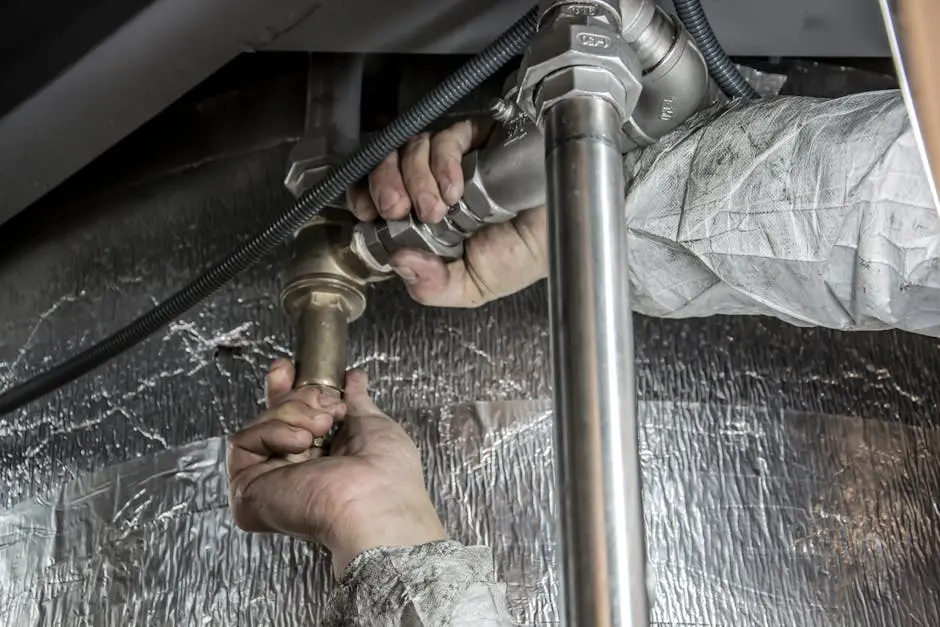
For HVAC systems, this means seasonal inspections before summer and winter, regular filter changes, cleaning of coils and condensate lines, and monitoring of refrigerant levels. For plumbing, it includes checking for leaks, testing water pressure, inspecting water heaters, and ensuring proper drainage. Electrical systems require examination of service panels, testing of GFCI outlets, and verification that circuits aren’t overloaded.
The specifics matter less than the consistency. A maintenance plan creates a schedule that removes decision-making from the equation. You’re not wondering if it’s time to have your furnace checked—it’s simply done every fall, the same way you rotate your car’s tires.
The ROI of Prevention
Financial experts recommend setting aside 1% to 4% of your home’s value annually for maintenance expenses. For a $400,000 home, that’s $4,000 to $16,000 per year. Yet the data shows that nearly a quarter of homeowners spent less than $1,000 on preventative maintenance in 2024—far below recommended levels—while simultaneously spending far more on emergency repairs.
This isn’t about finding extra money in your budget. It’s about redirecting money you’re already spending from crisis management to prevention. The homeowner who invests $2,000 annually in scheduled maintenance isn’t spending more than the homeowner who averages one $6,000 emergency repair every three years. They’re spending less, avoiding emergencies, and preserving their home’s long-term value in the process.
Starting Your Maintenance Plan
The barrier to entry for most homeowners isn’t cost—it’s activation energy. Creating a comprehensive maintenance schedule, finding reliable contractors, tracking service history, and managing appointments across multiple systems feels overwhelming. This is precisely why formal maintenance plans, whether self-managed or through a service provider, prove so valuable.
Start with your home’s age and the condition of its major systems. Newer homes might focus on preventive measures and warranty compliance. Older homes may require more frequent inspections and staged component replacements. Either way, the goal is moving from reactive to proactive, from surprise to schedule.
Document your systems—when they were installed, what maintenance they’ve received, what warranties apply. Create a calendar that maps routine tasks throughout the year. Find contractors before you need them urgently, when you can evaluate them on merit rather than availability.
The Compounding Benefits
Perhaps most importantly, consistent maintenance compounds over time. A well-maintained HVAC system doesn’t just avoid catastrophic failure—it operates more efficiently, lowering your utility bills year after year. A properly maintained water heater serves its full lifespan rather than failing prematurely. Roof maintenance extends replacement timelines by years.
The homeowners who fare best aren’t necessarily those with the most money or the newest homes. They’re the ones who understand that maintenance isn’t an expense—it’s an investment with the highest return available in residential real estate. Every dollar spent preventing failure is a dollar that doesn’t disappear into emergency repairs, plus all the dollars saved in efficiency, longevity, and preserved home value.
Ready to Protect Your Home Investment?
At Jim Dickerson Plumbing, we understand that maintaining your home’s essential systems shouldn’t feel overwhelming. Our comprehensive maintenance plans take the guesswork out of home care, providing scheduled inspections and proactive service that prevents emergencies before they happen.
Whether you need a one-time system evaluation or a customized annual maintenance plan, our experienced team is here to help you avoid those costly 2 AM emergency calls. Contact us today to schedule a consultation and discover how a professional maintenance plan can save you money, stress, and sleepless nights.
Call Jim Dickerson Plumbing or visit our website to learn more about our maintenance programs and schedule your first inspection.

Contact Us
Serving Our Charlotte-Area Neighbors
Your Comfort is Our Top Priority
Over the decades, we’ve grown from a one-truck operation to a large fleet of fully-stocked trucks while staying true to the qualities that local homeowners have come to expect from us: honesty, expertise, and warm customer service. You can trust us to provide high-quality work with great care that puts your comfort first.