
Spring Plumbing Checklist: What Charlotte Homeowners Should Inspect
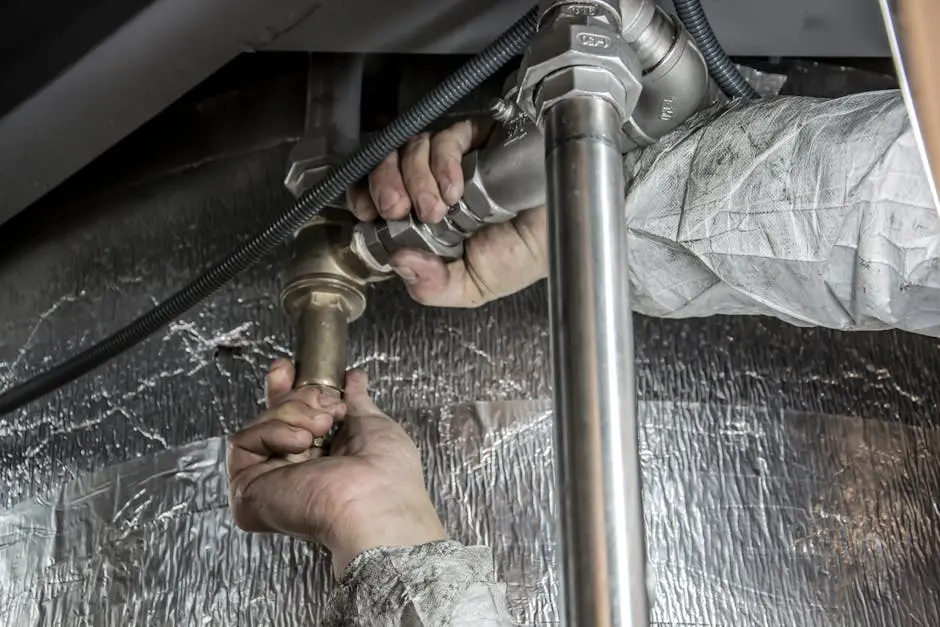
- Spring is an important time for Charlotte homeowners to inspect plumbing systems, because winter freeze-thaw cycles can damage pipes, outdoor fixtures, irrigation systems, and water heaters that worked harder during colder months.
- Outdoor plumbing fixtures should be checked first, including hose bibs, garden spigots, and irrigation heads, where slow leaks, reduced pressure, or cracks may signal freeze damage that could lead to water waste or foundation oversaturation.
- Visible plumbing components inside crawl spaces or basements should be inspected for corrosion, moisture around joints, pipe movement, or deteriorated insulation that could increase the risk of future pipe bursts.
- Indoor plumbing systems require routine checks, including testing faucets, toilets, and under-sink supply lines for leaks, irregular flow, or worn components that can waste thousands of gallons of water annually if left unaddressed.
- Water management systems such as sump pumps, drainage paths, gutters, and downspouts must function properly to prevent water pooling near foundations and protect both structural integrity and plumbing infrastructure during Charlotte’s rainy spring season.
Spring in Charlotte arrives with all the things we love: milder temperatures, blooming dogwoods, and longer evenings on the back porch. What it also brings, less visibly, is the aftermath of winter stress on your home’s plumbing system. Pipes that endured cold snaps, water heaters that worked overtime, and outdoor faucets exposed to freeze-thaw cycles all deserve a closer look before warmer months arrive in full force.
A proactive spring inspection isn’t about being cautious to the point of worry. It’s about being smart. According to the Insurance Information Institute, water damage and freezing claims are among the most common and costly home insurance claims in the U.S., accounting for roughly 24% of all homeowner insurance losses. A few hours of attention in March or April can prevent a far more disruptive situation in July.
Here’s where Charlotte homeowners should focus their energy this season.
Start Outside: Hose Bibs and Outdoor Fixtures
Winter in the Piedmont can be deceptively mild, until it isn’t. A single hard freeze is enough to crack an outdoor hose bib or damage an irrigation line. As you head into spring, reconnect your garden hoses and slowly open each outdoor spigot. What you’re watching for: a slow drip, reduced pressure, or water seeping from behind the fixture itself, which could indicate an internal crack.
If you have an irrigation system, this is the time to walk each zone and look for heads that didn’t survive winter. Broken or tilted sprinkler heads waste water and, over time, create oversaturation near your foundation, a problem that compounds quickly.
Inspect Visible Pipes in Crawl Spaces and Basements
Charlotte’s older neighborhoods, from Dilworth to NoDa, often have homes with crawl spaces that are prone to moisture and pest intrusion. After winter, it’s worth taking a flashlight into these spaces to look for pipes that may have shifted, show signs of corrosion, or have any obvious moisture around joints and connections.
Pay particular attention to the condition of pipe insulation. If any has deteriorated or been disturbed by animals, replacing it before next winter is far easier (and cheaper) than dealing with a burst pipe.
Water Heater: Don’t Overlook the Quiet Workhorse
Your water heater ran hard during the colder months. Spring is the right time to give it a once-over. Look at the base of the unit for any pooling or mineral deposits; either can indicate a slow leak or pressure release. Check the anode rod if your unit is over three years old; this sacrificial component prevents internal tank corrosion and needs periodic replacement.
If you hear rumbling or popping sounds during heating cycles, sediment has likely built up at the bottom of the tank. Flushing the tank annually is a simple maintenance step that extends the life of the unit and improves energy efficiency. The U.S. Department of Energy notes that sediment buildup can reduce a water heater’s efficiency by up to 25%.
Check Faucets, Toilets, and Under-Sink Supply Lines
Inside the house, turn on every faucet and let it run for a moment. What you’re listening and watching for: irregular flow, discoloration in the first few seconds, or any dripping when the handle is off. A faucet that drips at just one drop per second wastes more than 3,000 gallons of water per year, according to the EPA’s WaterSense program.
Toilets deserve equal attention. Add a few drops of food coloring to the tank and wait 15 minutes without flushing. If color appears in the bowl, you have a flapper leak, a small fix with a notable impact on your water bill.
Under kitchen and bathroom sinks, look at the supply lines. These braided or ribbed tubes have a finite lifespan, and older homes sometimes still have the original lines. Signs of wear (mineral buildup, slight bulging, or discoloration) are reasons to replace them before they fail on their own terms.
Sump Pump and Drainage System
Charlotte receives an average of 43 inches of rain annually, and spring brings a significant portion of that. If your home has a sump pump, test it now, before the heavy rains arrive. Pour water into the pit until the float triggers the pump. It should activate quickly, drain the water, and shut off without hesitation. If it hesitates or runs continuously, that’s a flag worth addressing.
Walk your property during or after a rain event and observe where water flows. Water that pools near your foundation, rather than draining away from it, is a slow but serious threat to your home’s structural integrity and your plumbing system alike.
Gutters, Downspouts, and How They Connect to Your Plumbing
This one surprises some homeowners: gutters are part of your home’s water management system. Clogged gutters overflow against fascia boards and eventually into wall cavities. Downspouts that deposit water too close to the foundation push it toward buried drainage lines and, in some cases, into basements or crawl spaces. Clean gutters and extend downspouts at least six feet from the foundation where possible.
When to Call a Professional
Some of what you find during a spring walkthrough will have easy DIY solutions. Replacing a flapper valve, flushing a water heater, or re-insulating a pipe section are tasks most homeowners can handle with an afternoon and a trip to the hardware store.
Other findings, including low pressure throughout the house, discolored water, a water heater showing signs of corrosion, or pipes that look compromised, are worth a professional set of eyes. Plumbing systems are interconnected in ways that aren’t always obvious, and what appears to be a minor issue at the surface can have a deeper origin.
Schedule Your Spring Plumbing Inspection with Jim Dickerson
At Jim Dickerson Co., we’ve been serving Charlotte homeowners for decades. We understand the specific demands this region places on residential plumbing systems, from the freeze events that catch people off guard in February to the heavy rain seasons that test every drainage line.
If your spring walkthrough turns up concerns, or if you’d simply like a professional inspection before summer sets in, we’re ready to help. Contact us today to schedule your inspection. A little attention now goes a long way toward a summer with no surprises.


Contact Us
Serving Our Charlotte-Area Neighbors
Your Comfort is Our Top Priority
Over the decades, we’ve grown from a one-truck operation to a large fleet of fully-stocked trucks while staying true to the qualities that local homeowners have come to expect from us: honesty, expertise, and warm customer service. You can trust us to provide high-quality work with great care that puts your comfort first.