
Emergency Plumbing Tips: What to Do When Pipes Burst in Freezing Weather
Summary of Key Points
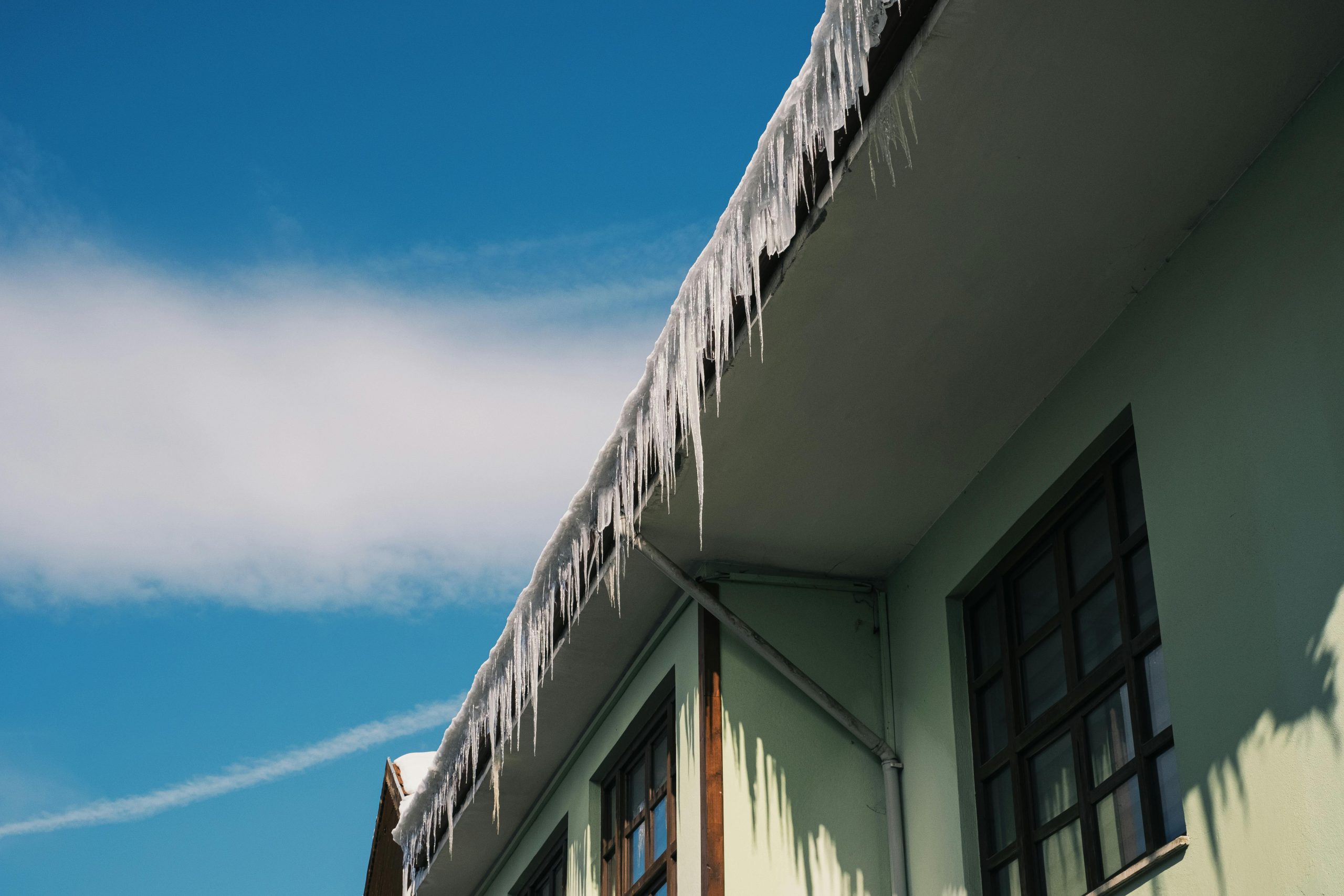
- Charlotte homes are especially vulnerable to frozen and burst pipes during sudden cold snaps because many pipes run through attics, crawl spaces, and exterior walls with minimal insulation.
- Pipes typically burst when water freezes and expands, creating intense pressure between the ice blockage and closed faucets, often when temperatures drop below 20°F.
- If a pipe bursts, homeowners should immediately shut off the main water supply, turn off electricity in affected areas, document the damage, remove standing water, and contact a professional plumber.
- Frozen pipes that have not yet burst may show warning signs like reduced water flow or frost on pipes and can sometimes be safely thawed using warm air—but open flames should never be used.
- Preventive steps such as insulating pipes, sealing air leaks, keeping indoor temperatures stable, and allowing faucets to drip during freezing weather can significantly reduce the risk of costly water damage.
While Charlotte doesn’t face the harsh winters of northern states, our occasional cold snaps can catch homeowners off guard—and unprepared pipes pay the price. When temperatures plummet unexpectedly, frozen pipes can quickly turn into burst pipes, unleashing gallons of water into your home. According to State Farm, the average water damage claim from burst pipes costs homeowners $10,900. But knowing what to do in those critical first moments can mean the difference between a manageable repair and a catastrophic loss. Here’s your essential guide to handling winter emergency plumbing and protecting your Charlotte home.
Understanding Why Pipes Burst
The science behind burst pipes is straightforward but powerful. When temperatures drop below 20°F, water inside your pipes begins to freeze and expand. As ice forms, it creates tremendous pressure—not from the ice itself, but from the water pressure that builds between the ice blockage and your closed faucets. Eventually, that pressure becomes too much for the pipe to handle, and it gives way.
Charlotte homes face a unique vulnerability here. Unlike homes in colder climates that are built with freeze protection in mind, many southern homes have pipes running through attics, crawl spaces, and exterior walls with minimal insulation. Our milder typical winters mean we’re often less prepared when freezing weather does arrive. That combination of vulnerable pipe placement and unfamiliarity with winterization makes prevention and quick response even more critical for area homeowners.
Immediate Steps When a Pipe Bursts
If you discover a burst pipe, every second counts. Here’s exactly what you need to do:
1. Shut Off the Water Supply Immediately
Your first priority is stopping the flow of water. Locate your main water shut-off valve—typically found near your water meter or where the main line enters your home—and turn it off completely. If you’re reading this before an emergency occurs, take a moment right now to find that valve and make sure everyone in your household knows its location. Those few seconds of familiarity could save you thousands of dollars in damage.
2. Turn Off Electricity to Affected Areas
Water and electricity create a dangerous combination. Head to your breaker box and switch off power to any rooms with standing water or water damage. If water has flooded an area significantly, do not wade through it. Instead, call professionals who have the proper equipment and training to handle emergency plumbing situations safely.
3. Document the Damage
Before you start cleanup, grab your phone and document everything. Take photos and videos of the burst pipe, standing water, and any damaged belongings or structural elements. Note the time you discovered the problem and record which pipe burst. This documentation will be invaluable when filing insurance claims and will help your plumber assess the full extent of the damage.
4. Begin Water Removal
Once you’ve documented the scene, start removing standing water as quickly as possible. Use towels, mops, buckets, and a wet-dry vacuum if you have one. Move furniture, rugs, and other belongings away from the affected area. The faster you can remove water, the less secondary damage you’ll experience from mold growth and structural issues.
5. Call a Professional Plumber
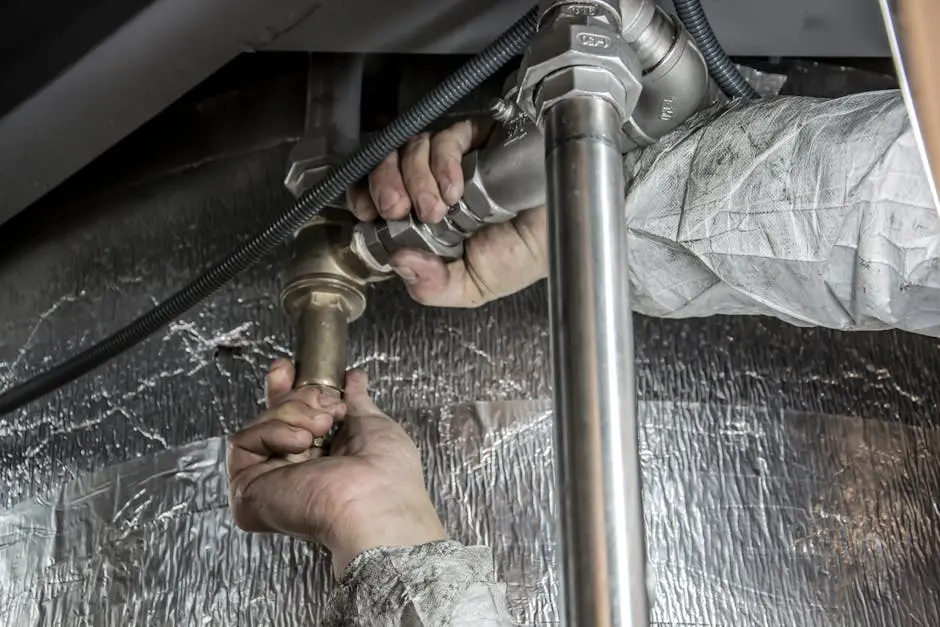
A burst pipe isn’t a DIY repair. Contact an emergency plumbing service immediately. At Jim Dickerson Company, we offer same-day emergency service because we understand that plumbing disasters don’t wait for business hours. A professional can properly repair the burst pipe, assess whether other pipes are at risk, and help prevent future problems.
If Pipes Are Frozen But Haven’t Burst Yet
Sometimes you can catch the problem before a pipe actually bursts. Warning signs include reduced water flow, no water coming from faucets, frost visible on exposed pipes, or strange gurgling sounds when you turn on taps.
If you suspect frozen pipes, act quickly but carefully. Open cabinet doors under sinks to allow warm air to circulate around pipes. You can use a hair dryer, heating pad, or warm towels to gently thaw frozen sections—but never use boiling water or open flames like blowtorches or propane heaters, which can damage pipes or start fires. Start thawing from the faucet end and work toward the frozen section, keeping the faucet open so melting ice and steam can escape as pressure builds.
However, if you can’t locate the frozen section or if pipes are inside walls or ceilings, it’s time to call in the professionals. Attempting to thaw pipes you can’t see or reach often does more harm than good.
Prevention Tips for Charlotte Homeowners
The old saying holds true: an ounce of prevention is worth a pound of cure. According to Philadelphia Insurance Companies’ analysis of frozen pipe claims, the average loss from a frozen pipe incident is $27,000—far more than the cost of proper prevention.
Before Cold Weather Hits:
Take time during fall to prepare your home. Insulate pipes in vulnerable areas like attics, crawl spaces, garages, and along exterior walls. Seal any cracks or gaps in exterior walls where cold air might reach your pipes. Disconnect and drain outdoor hoses, and shut off water to exterior faucets if possible. Most importantly, make sure you know exactly where your main water shut-off valve is located.
During Freezing Weather:
When the forecast calls for temperatures in the 20s or below, take action. Keep your thermostat at a minimum of 55°F, even if you’re traveling. During the coldest nights, let faucets drip slightly—moving water is much less likely to freeze than standing water. Open cabinet doors under sinks to allow warm air to circulate around pipes. Keep garage doors closed if water lines run through your garage. And resist the temptation to lower your thermostat at night during cold snaps; the money you save on heating won’t come close to covering burst pipe repairs.
Be Prepared, Not Panicked
While Charlotte’s climate is generally kind to our homes, those occasional winter freezes remind us that preparation matters. Whether you’re facing an emergency right now or planning ahead for the next cold snap, remember that Jim Dickerson Company has been serving Charlotte-area homeowners since 1977. We understand local conditions, we respond quickly to emergencies, and we’re here to help keep your home safe and dry.
If you suspect frozen pipes or need emergency plumbing service, don’t wait—call Jim Dickerson Company at (704) 331-0544. Our experienced technicians are ready to provide the same-day service you need when winter weather strikes.


Contact Us
Serving Our Charlotte-Area Neighbors
Your Comfort is Our Top Priority
Over the decades, we’ve grown from a one-truck operation to a large fleet of fully-stocked trucks while staying true to the qualities that local homeowners have come to expect from us: honesty, expertise, and warm customer service. You can trust us to provide high-quality work with great care that puts your comfort first.