
Winter Water Heater Maintenance: Don’t Get Caught with Cold Showers
Summary of Key Points
- Winter places extra strain on water heaters because colder incoming water and increased hot water use force systems to work harder, especially in units nearing the 10–15 year lifespan.
- Annual maintenance tasks such as flushing the tank, testing the temperature-pressure relief valve, and checking the anode rod help prevent breakdowns and extend water heater life.
- Visual inspections for leaks, corrosion, and rust can reveal early warning signs of failure before they turn into winter emergencies.
- Keeping the water heater set to 120°F and insulating exposed pipes improves efficiency, reduces energy costs, and helps prevent heat loss during cold weather.
- Warning signs like rusty water, unusual noises, inconsistent temperatures, or water pooling around the tank indicate the need for professional inspection or possible replacement.
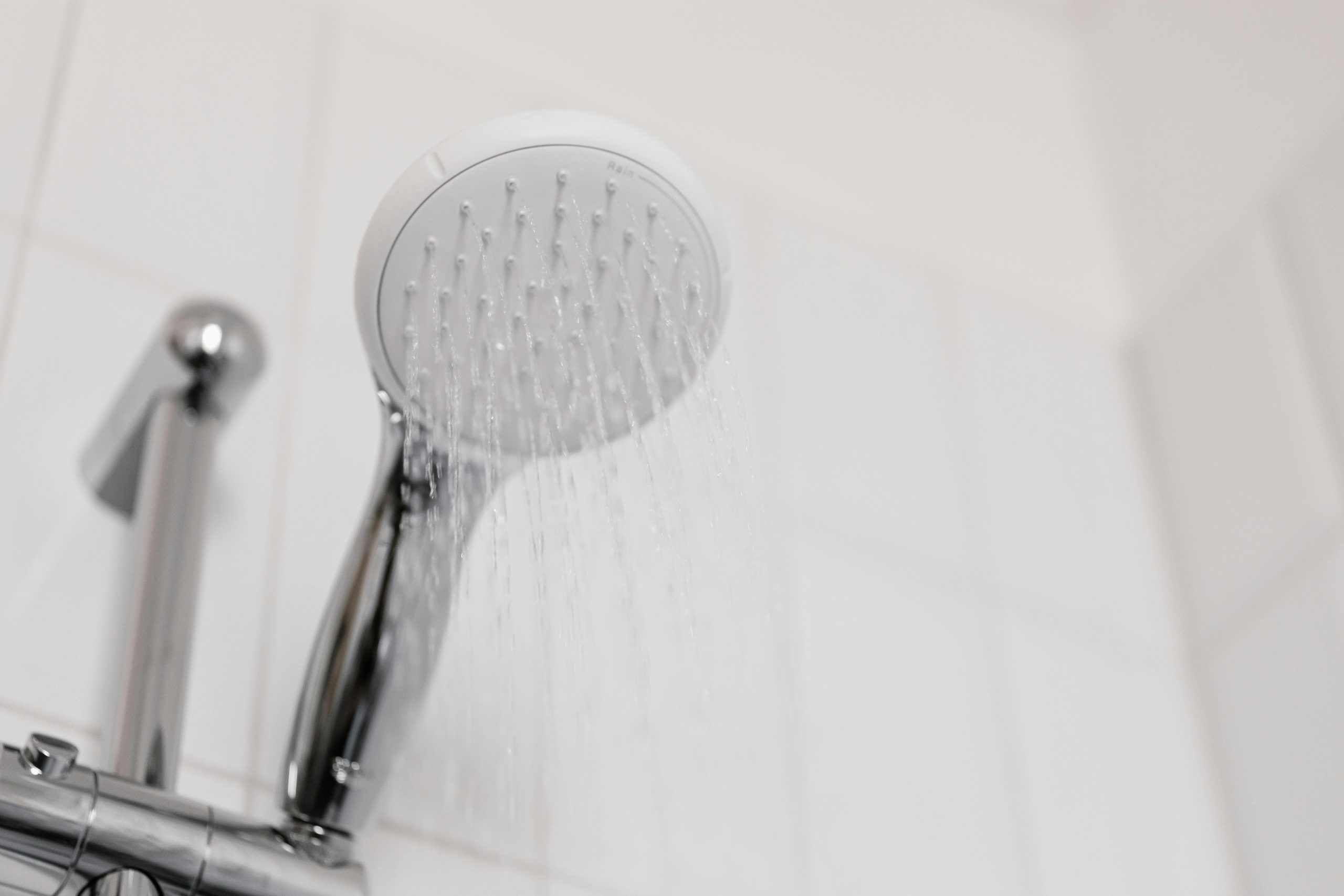
Picture this: It’s a frigid January morning in Charlotte. You’re already running late, and you step into the shower only to be greeted by an arctic blast of cold water. Your water heater has given up at the worst possible moment. If this scenario sounds like a nightmare, you’re not alone—most water heater failures happen during winter months when the demand is highest and the incoming water is coldest. The good news? A little proactive water heater maintenance can keep you from joining the cold shower club this winter.
Why Winter is Especially Hard on Your Water Heater
Your water heater doesn’t get a break when temperatures drop—it actually has to work significantly harder. During winter, the groundwater entering your tank can be 20-30 degrees colder than in summer, meaning your heater must work overtime to bring that water up to temperature. Add in our tendency to take longer, hotter showers when it’s cold outside, and you’ve created the perfect storm for water heater stress.
This increased workload accelerates wear and tear on aging components. Sediment that’s been quietly accumulating at the bottom of your tank becomes more problematic as your system works harder to heat water through that insulating layer of minerals and debris. For water heaters approaching their 10-15 year lifespan, winter’s increased demands often become the tipping point between functional and failed. Charlotte’s cold winters and occasional temperature swings only intensify this stress, making fall maintenance not just advisable—it’s essential.
Essential Winter Water Heater Maintenance Checklist
Flush Your Tank
Sediment buildup is public enemy number one for water heater longevity. As water sits in your tank, minerals settle to the bottom, creating an insulating barrier that forces your heating elements to work harder and can accelerate corrosion. Flushing your tank annually—ideally in early fall before winter demand kicks in—removes this sediment and improves efficiency. While this is a task some handy homeowners tackle themselves, many prefer calling a professional to ensure it’s done thoroughly and safely, especially if it hasn’t been done in several years.
Test the Temperature-Pressure Relief Valve
Your TPR valve is a critical safety component designed to prevent dangerous pressure buildup in your tank. Testing it is simple: lift the lever and let it snap back. You should see a burst of water discharge through the overflow pipe. If nothing happens or if water continues to drip after the test, it’s time for a replacement. This small valve could prevent a catastrophic failure, making it worth the few minutes it takes to check.
Check the Anode Rod
Think of the anode rod as your water heater’s bodyguard—it sacrifices itself to protect your tank from corrosion. This magnesium or aluminum rod attracts corrosive elements in your water, deteriorating slowly so your tank doesn’t have to. Most homeowners have never seen their anode rod, yet replacing it when it’s depleted can add years to your water heater’s life. If your unit is more than five years old and the rod has never been checked, it’s worth having a plumber take a look.
Inspect for Leaks and Corrosion
A visual inspection takes just a few minutes but can catch problems before they become emergencies. Check all connections, fittings, and the area around the tank’s base for moisture, rust, or mineral deposits. These early warning signs often appear weeks or months before a major failure. That small puddle you keep wiping up? It’s trying to tell you something important.
Adjust Temperature Settings
The sweet spot for water heater temperature is 120°F—hot enough for comfortable showers and effective dishwashing, but not so hot that you’re wasting energy or risking scalding. When winter hits, resist the temptation to crank up the temperature. Not only does this increase your utility bills significantly, but sustained high temperatures accelerate tank corrosion and can create safety hazards, especially in homes with children or elderly residents.
Insulate Exposed Pipes
Heat loss through pipes in unheated spaces like crawlspaces, basements, or garages can waste significant energy and leave you waiting longer for hot water. Foam pipe insulation is inexpensive and easy to install, providing a quick return on investment through reduced energy bills. In Charlotte, where we experience regular freezing temperatures and occasional winter storms, this protection also guards against the nightmare scenario of frozen and burst pipes.
Warning Signs You Need Professional Help
Even with diligent maintenance, water heaters don’t last forever. Knowing when to call in a professional can mean the difference between a planned replacement and an emergency situation. Discolored or rusty water coming from your hot taps signals internal tank corrosion—a problem that only gets worse. Strange noises like popping, banging, or rumbling typically indicate significant sediment buildup that’s causing your heating elements to overheat.
Inconsistent water temperatures suggest failing heating elements or malfunctioning thermostats, while water pooling around the base of your tank often means the inner tank has developed a leak—a problem that can’t be repaired. If your unit is more than ten years old and showing any of these symptoms, replacement may be more cost-effective than repeated repairs. Perhaps most telling: if your utility bills have been creeping upward without explanation, your water heater’s declining efficiency is likely the culprit.
Don’t wait until your water heater fails completely in the middle of winter. Once you’re without hot water, you’re not just inconvenienced—you’re at the mercy of emergency service rates and limited availability during peak breakdown season.
An Ounce of Prevention
Winter water heater maintenance isn’t the most glamorous task on your home care checklist, but it’s one of the most valuable. A small investment of time and money in fall can prevent expensive emergency replacements and ensure your family has reliable hot water throughout Charlotte’s coldest months.
At Jim Dickerson Plumbing, we’ve seen too many families deal with failed water heaters on the coldest days of the year. A pre-winter inspection takes less than an hour and can identify potential problems while they’re still manageable. Don’t let a failing water heater turn your winter morning routine into an endurance test.
Ready to winterize your water heater? Contact Jim Dickerson Plumbing today to schedule your pre-winter water heater inspection and maintenance service.


Contact Us
Serving Our Charlotte-Area Neighbors
Your Comfort is Our Top Priority
Over the decades, we’ve grown from a one-truck operation to a large fleet of fully-stocked trucks while staying true to the qualities that local homeowners have come to expect from us: honesty, expertise, and warm customer service. You can trust us to provide high-quality work with great care that puts your comfort first.